The Wrendanforth Home

Category

Culture & Criticism

22 articles

Wooden Breath: Inside the Marionette Houses Where Strings Still Do the Talking

Wooden Breath: Inside the Marionette Houses Where Strings Still Do the Talking

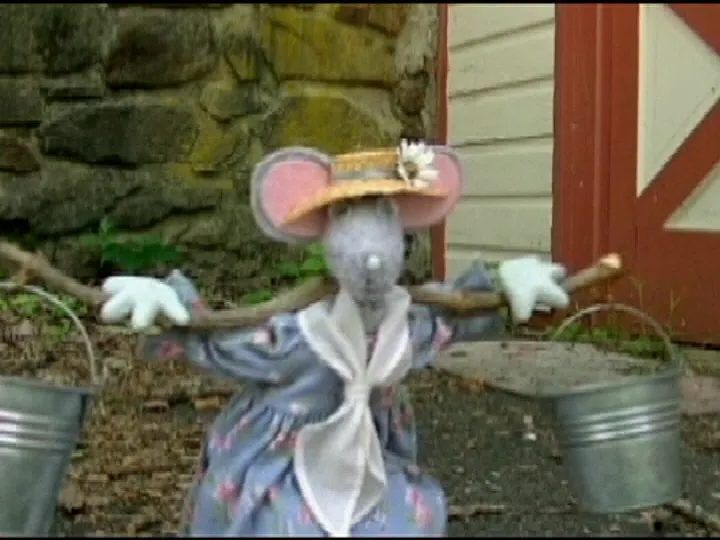
Across America, a dwindling company of family-run puppet theaters refuses to dim the footlights on one of the oldest collaborative art forms humans have ever practiced. The Wrendanforth visits the workshops, back rooms, and folding-chair auditoriums where carved figures still hold a room — even a room full of glowing phones.

Folded, Stapled, and Alive: The Amateur Editors Bringing Back the Photocopied Bulletin

Folded, Stapled, and Alive: The Amateur Editors Bringing Back the Photocopied Bulletin

In kitchen-table newsrooms across the country, a handful of unpaid editors are folding neighborhood news into eight-and-a-half-by-eleven sheets and leaving them where people actually stand. Their weapon of choice is the copy machine, and their argument is simple: attention you can hold in your hand behaves differently than attention that scrolls.

Spiral-Bound Nation: The Humble Church Cookbook as America's Truest Archive

Spiral-Bound Nation: The Humble Church Cookbook as America's Truest Archive

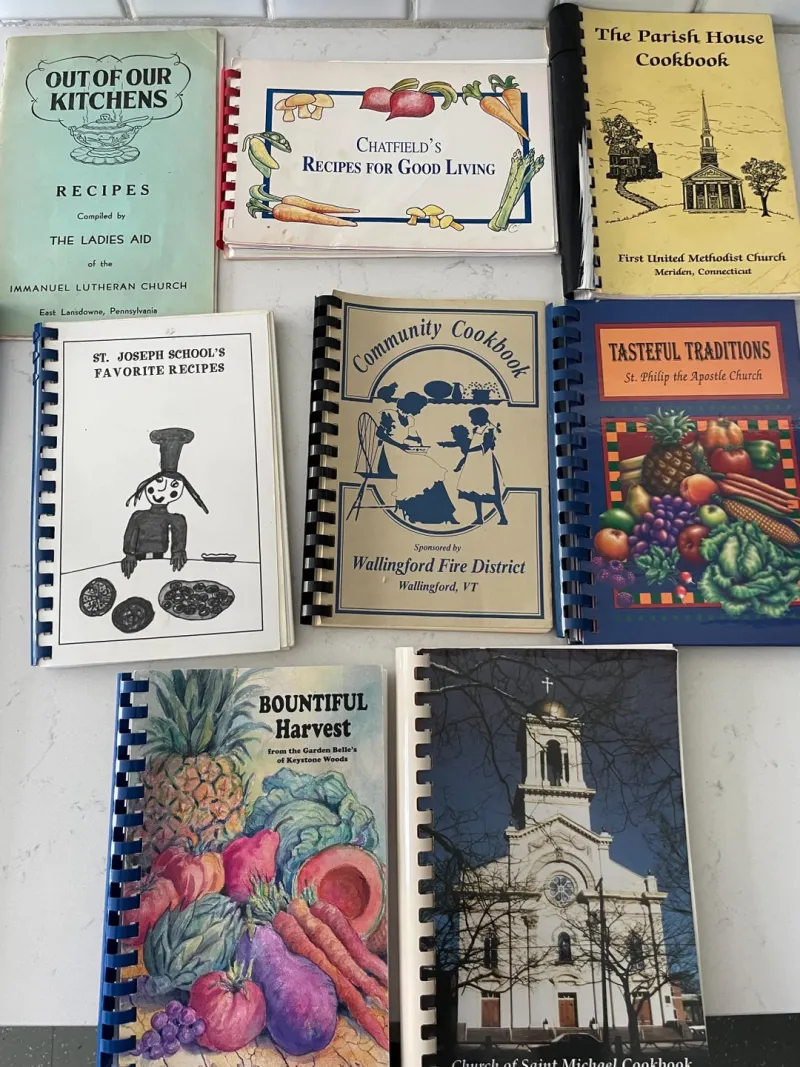
Long before food memoirs dominated bestseller lists, American communities were documenting themselves in spiral-bound fundraiser cookbooks sold for three dollars a copy. A growing circle of collectors and archivists argues these unglamorous volumes hold a more honest portrait of the country than any celebrity chef's coffee-table tome.

Curtains, Raised: The Quiet Rescue of America's Small-Town Stages

Curtains, Raised: The Quiet Rescue of America's Small-Town Stages

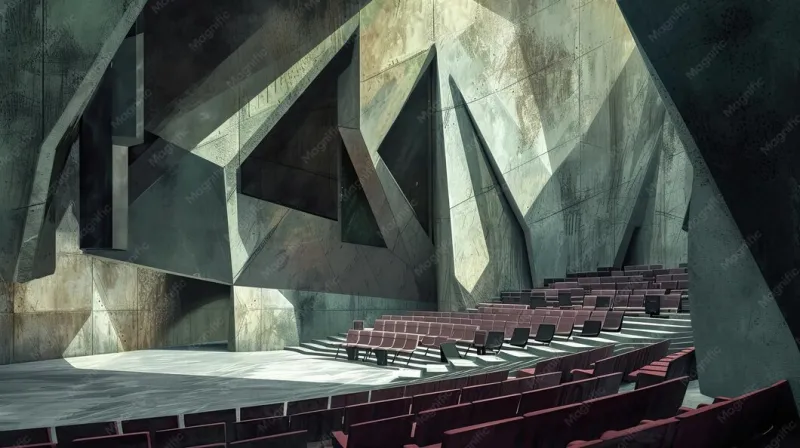
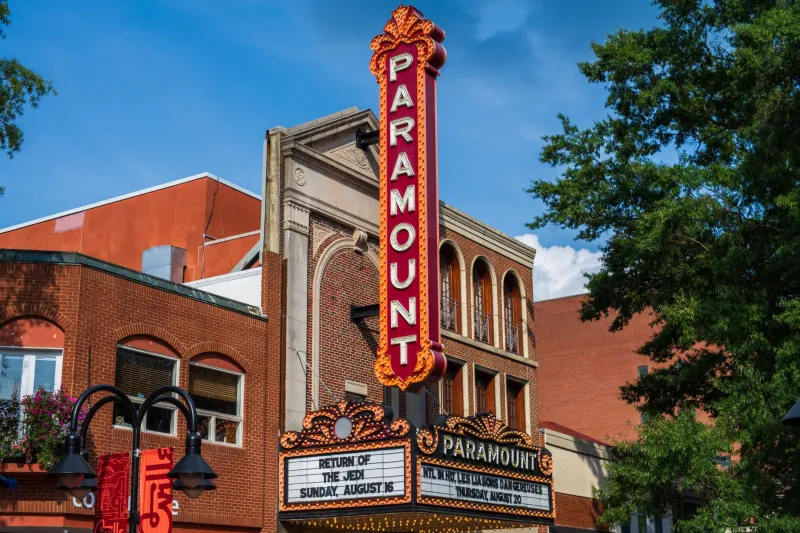
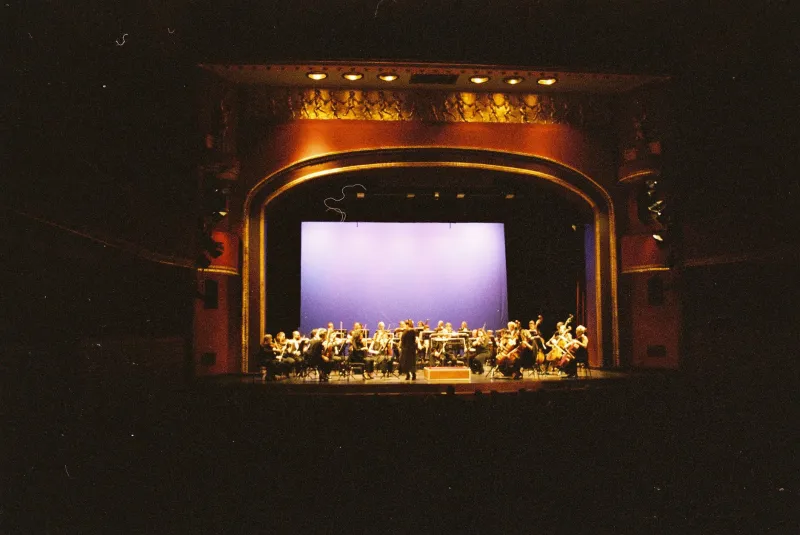
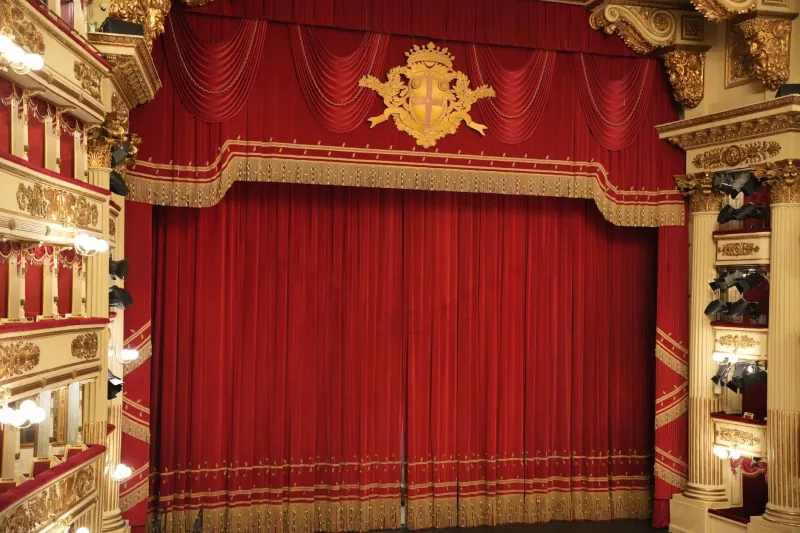
Across rural and mid-sized America, restored opera houses and vaudeville halls are staging an unlikely comeback. Behind each reopened curtain is a story of volunteers, benefactors, and towns betting that live performance still matters in the streaming age.

Guardians of the Overlooked: The Citizen Archivists Preserving What Institutions Left Behind

Guardians of the Overlooked: The Citizen Archivists Preserving What Institutions Left Behind

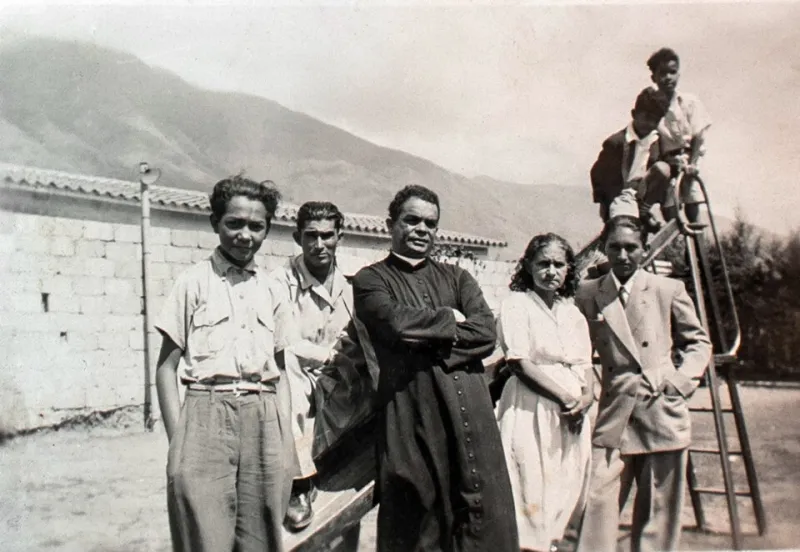
Across the United States, ordinary people — retired schoolteachers, record collectors, neighborhood historians — are quietly assembling archives of cultural memory that no institution thought worth preserving. Their collections, stored in spare bedrooms and climate-controlled garages, are increasingly filling the voids left by underfunded museums and overwhelmed historical societies, raising urgent questions about who gets to decide what history is worth keeping.

The Keepers: Inside the Private Archives and Homemade Museums of Ordinary Americans

The Keepers: Inside the Private Archives and Homemade Museums of Ordinary Americans

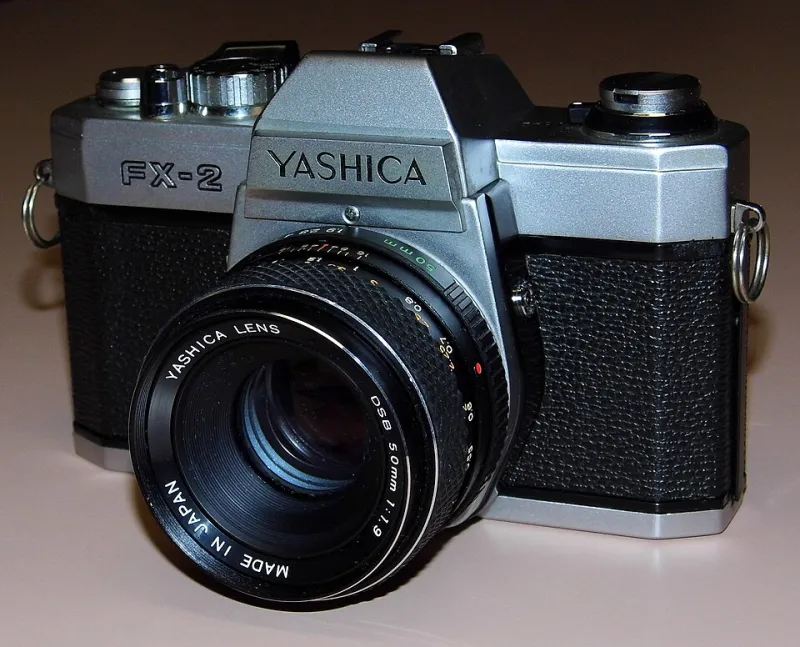
Across the United States, in spare bedrooms, climate-controlled basements, and meticulously organized garages, a quiet counter-institution is taking shape. It has no board of directors, no endowment, no admission fee. It is the personal collection—the obsessively curated private archive assembled by people who simply could not stop gathering. What these hidden museums reveal about American identity, memory, and the hunger for meaning is more illuminating than most institutions dare to be.

Speaking in Code: The Linguistic Underground That Gen Z Built and Linguists Are Racing to Map

Speaking in Code: The Linguistic Underground That Gen Z Built and Linguists Are Racing to Map

Online communities, gaming servers, and social media subcultures are producing entirely new linguistic systems at a pace that has left professional linguists genuinely startled. More than mere slang, these invented dialects function as social infrastructure—tools of belonging, identity, and deliberate exclusion that reveal something profound about how a generation understands language itself.

Beautiful Accidents: The Mistranslations and Mishearings That Quietly Shaped American Culture

Beautiful Accidents: The Mistranslations and Mishearings That Quietly Shaped American Culture

Some of the most resonant ideas and phrases in American literature, music, and philosophy arrived not through precision but through error — through words misheard across a crackling record, concepts filtered through cultural distance, and meanings that slipped between languages and emerged transformed. These beautiful accidents deserve their own history.

The Figure at the Door: How the Stranger Archetype Has Always Held a Mirror to American Fear

The Figure at the Door: How the Stranger Archetype Has Always Held a Mirror to American Fear

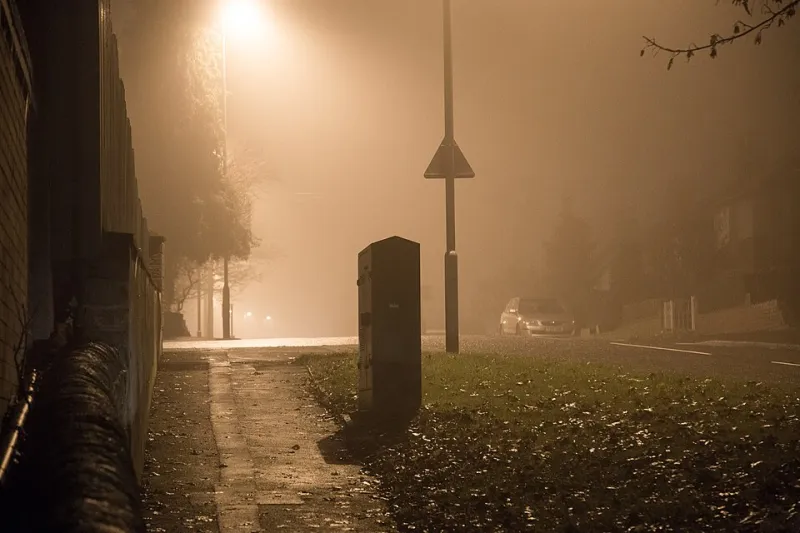
From the fog-shrouded roads of Appalachian folklore to the meticulously designed nightmare landscapes of prestige television, the stranger — that unsettling arrival whose origins are unknown and whose motives are opaque — has never lost its grip on the American imagination. A cultural examination of this enduring archetype reveals that it is not merely a storytelling device, but a diagnostic instrument for the anxieties a society cannot bring itself to name directly.